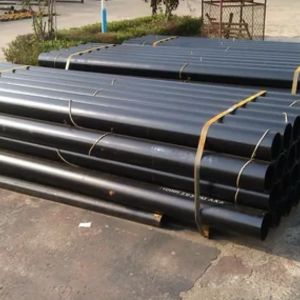
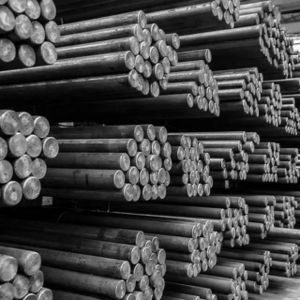
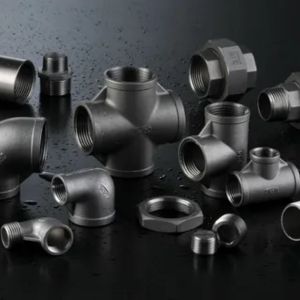
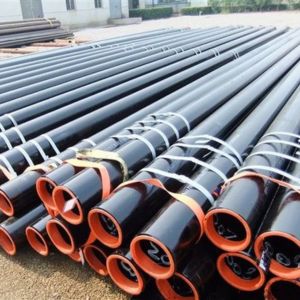
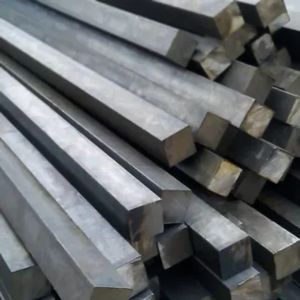
Alloy Steel Forgings are robust, high-strength components crafted from specially formulated alloyed steels, designed to tackle tough industrial challenges. These parts are made using precision forging techniques, which give them a superior grain structure, consistent dimensions, and a fantastic surface finish. This results in mechanical properties that outshine those of cast or machined components. Complying with international standards, Alloy Steel Forgings find their place in various industries, including aerospace, automotive, oil and gas, power generation, and heavy machinery, where reliability, toughness, and longevity are essential.
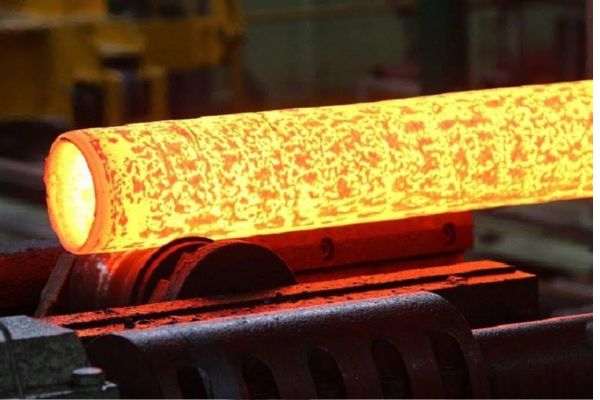
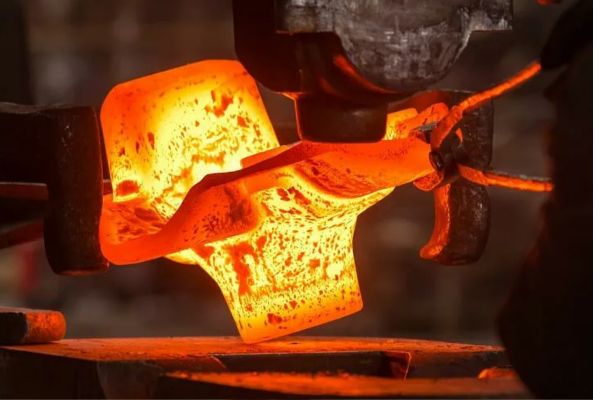
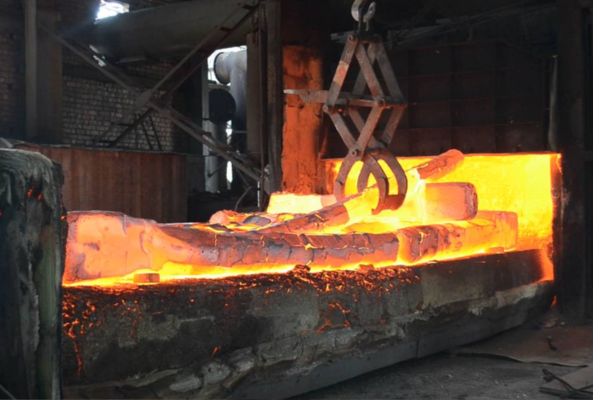
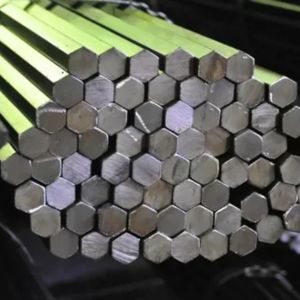
Alloy steel forgings consist of an alloy of iron, carbon, and alloying elements such as chromium, molybdenum, nickel, and vanadium, which increase strength, hardness, and resistance to wear. They possess good mechanical properties such as high tensile strength, impact strength, and fatigue life. The forgings can tolerate high temperatures and pressures and are suitable for critical applications. Benefits are better machinability, cost savings, and flexibility towards different heat treatments, which enhance their performance and lifespan in such industries as aerospace, automotive, and energy.
| Sl. No. | Type of lubricant | Advantages | Limitations |
| 1 | Water-base micro-graphite | Eliminates smoke and fire; provides die cooling; is easily extended with water | Must be applied by spraying for best results |
| 2 | Water-base synthetic | Eliminates smoke and fire; is cleaner than oils or water-base graphite; aids die cooling; is easily diluted, and needs no agitation after initial mixing; reduces clogging of spray equipment; does not transfer dark pigment to part | Must be sprayed; lacks the lubricity of graphite for severe forging operations |
| 3 | Oil-base graphite | Fluid film lends itself to either spray or swab application; has good performance over a wide temperature range (upto 540 deg C). | Generates smoke, fire, and noxious odours; explosive nature may shorten die life; has potentially serious health and safety implications for workers |
We provide products that come with both mill test certificates and third-party test certificates, ensuring the highest standards of quality and compliance.
The typical chemical makeup of Alloy Steel Forgings includes elements like carbon, chromium, molybdenum, nickel, manganese, and occasionally vanadium or silicon. This blend ensures high tensile and yield strength, outstanding toughness, wear resistance, and hardenability, all while keeping good machinability and weldability. On the mechanical side, these forgings offer excellent fatigue strength, impact resistance, and stability even under high stress and cyclic loading. Heat treatment methods such as quenching, tempering, or normalizing further boost their hardness, ductility, and structural integrity.
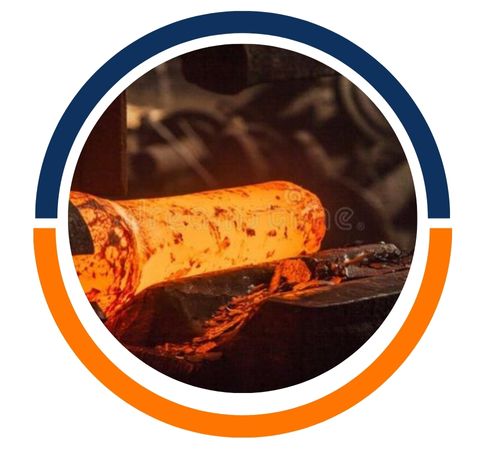
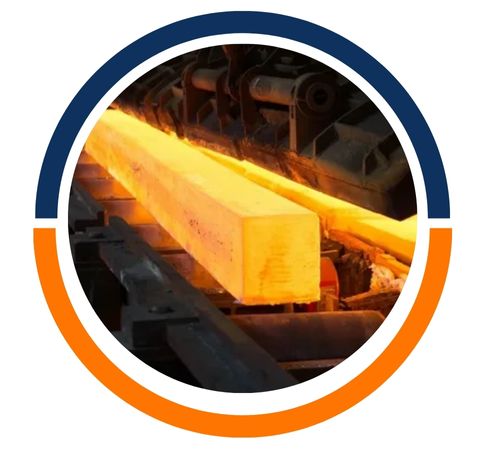
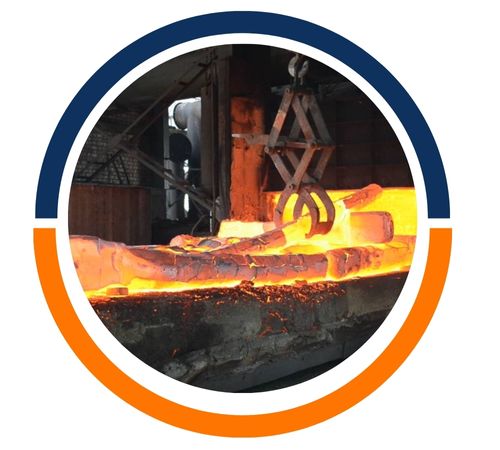
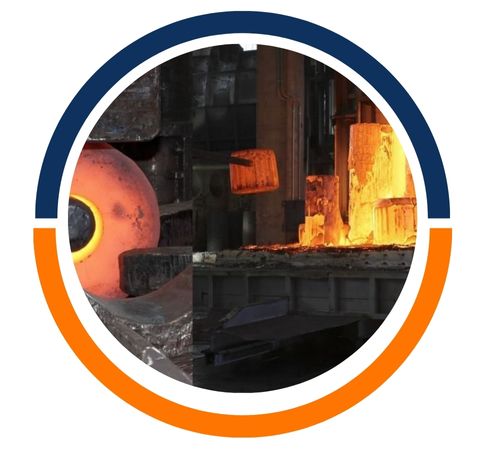
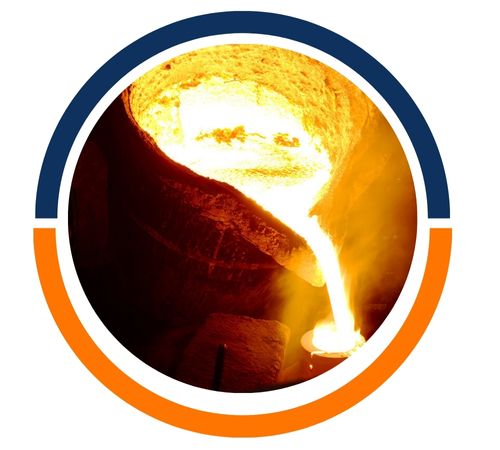
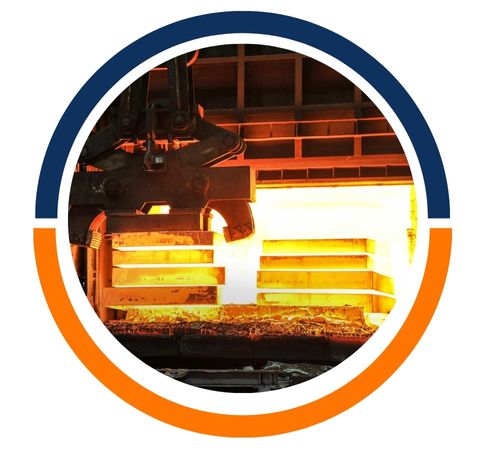
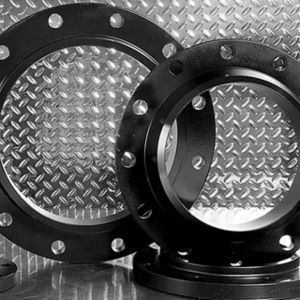
Alloy Steel Forgings are commonly used to manufacture gears, shafts, flanges, valves, fasteners, and components for heavy-duty machinery. They are particularly suited for critical applications in aerospace, automotive engines, power plants, and industrial equipment that demand high strength, durability, and resistance to wear and fatigue. Their blend of toughness, reliability, and long-lasting performance makes them a go-to choice for challenging engineering and industrial tasks.

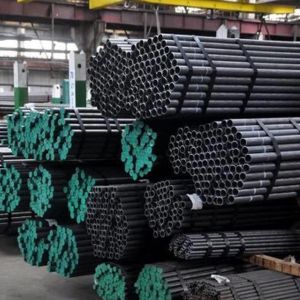
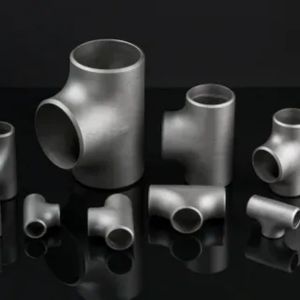
Chetak Steel is a leading manufacturer, supplier and exporter of high-quality Carbon Steel, Alloy Steel, Mild Steel and Galvanized Steel products. Our extensive product range includes Pipes, Tubes, Flanges, Pipe Fittings, Forged Fittings, Sheets and Plates, catering to various industries in Hyderabad, India.
Copyright 2025 Chetak Steel. All rights reserved